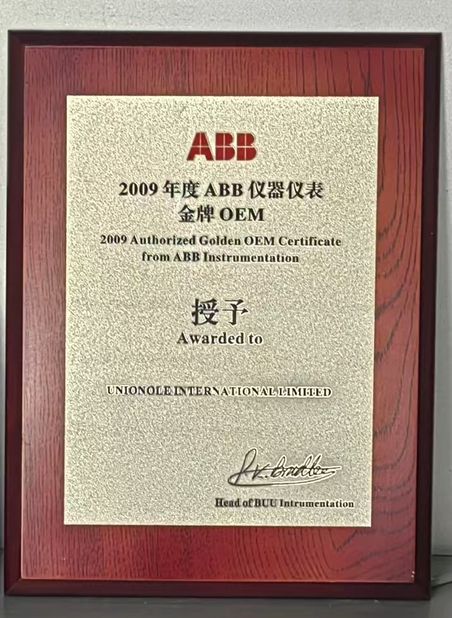
Introductie tot Industriële Automatisering
Industriële automatisering verwijst naar de integratie van geavanceerde technologieën—waaronder robotica, besturingssystemen en kunstmatige intelligentie—om industriële processen uit te voeren met minimale menselijke tussenkomst. Deze paradigmaverschuiving van handarbeid naar geautomatiseerde systemen heeft een revolutie teweeggebracht in de productie, energie, farmaceutische industrie en logistiek door de efficiëntie, precisie en schaalbaarheid te verbeteren. Aanvankelijk gericht op het mechaniseren van repetitieve taken, omvat industriële automatisering nu slimme fabrieken waar onderling verbonden apparaten in real-time communiceren, waardoor adaptieve productie, voorspellend onderhoud en datagestuurde besluitvorming mogelijk worden. De evolutie van eenvoudige programmeerbare logische controllers (PLC's) naar AI-gestuurde cyber-fysieke systemen heeft automatisering gepositioneerd als een hoeksteen van Industrie 4.0, die duurzaamheid, veiligheid en concurrentievermogen op wereldwijde markten stimuleert. Omdat industrieën te maken hebben met eisen voor hogere aanpassing, lagere kosten en veerkrachtige toeleveringsketens, biedt automatisering de fundamentele infrastructuur om aan deze uitdagingen te voldoen, terwijl het menselijke arbeid ondersteunt door middel van collaboratieve robotica en intuïtieve interfaces.
Kerntechnologieën en Systeemarchitecturen
Industriële automatisering vertrouwt op een gelaagde architectuur van hardware- en softwarecomponenten die in harmonie samenwerken om processen te bewaken, te besturen en te optimaliseren.Sensoren en actuatoren dienen als de "zintuigen en handen" van het systeem, waarbij real-time gegevens worden verzameld over parameters zoals temperatuur, druk en flow, terwijl fysieke acties worden uitgevoerd op basis van controlleropdrachten.Programmeerbare Logische Controllers (PLC's) fungeren als het centrale zenuwstelsel, verwerken invoersignalen van sensoren en voeren voorgeprogrammeerde logica uit om machinebewerkingen met hoge betrouwbaarheid en snelheid te beheren.Supervisory Control and Data Acquisition (SCADA) systemen bieden een overzicht van de operaties, waardoor bewaking en controle op afstand van geografisch verspreide activa mogelijk is, zoals pijpleidingen of elektriciteitsnetten.Human-Machine Interfaces (HMI's) vertalen complexe gegevens in visuele dashboards, waardoor operators intuïtief met systemen kunnen communiceren. Ondertussen, robotica behandelt taken variërend van precisie-assemblage tot het hanteren van gevaarlijke materialen, met collaboratieve robots (cobots) die zijn ontworpen om veilig naast mensen te werken. Deze technologieën worden in toenemende mate verenigd via het Industrial Internet of Things (IIoT), dat gegevensuitwisseling tussen apparaten mogelijk maakt, en kunstmatige intelligentie (AI), dat machine learning gebruikt voor voorspellende analyses en autonome besluitvorming.
Belangrijkste Toepassingsscenario's
Industriële automatisering levert aanzienlijke waarde in diverse sectoren door unieke operationele uitdagingen aan te pakken. In automotive productie, voeren robotarmen lassen en schilderen uit met millimeterprecisie, terwijl AI-gestuurde visionsystemen componenten inspecteren op defecten, waardoor fouten met 25% worden verminderd en productiecycli met 30% worden versneld. De energiesector gebruikt SCADA-systemen om oliepijpleidingen en elektriciteitsnetten te bewaken, waarbij voorspellende analyses worden gebruikt om lekken of storingen te detecteren voordat ze downtime of milieuschade veroorzaken. Farmaceutische bedrijven gebruiken automatisering voor steriele verpakking en medicijnformulering, waarbij PLC-gestuurde omgevingen de naleving van strenge wettelijke normen garanderen en door de mens veroorzaakte contaminatie minimaliseren. In voedselverwerking, integreren geautomatiseerde sorteer- en verpakkingslijnen IoT-sensoren om de inventaris te volgen en toeleveringsketens te optimaliseren, terwijl slimme magazijnen autonome geleide voertuigen (AGV's) gebruiken om de logistiek te beheren met 50% snellere orderafhandeling. Zelfs traditioneel arbeidsintensieve sectoren zoals landbouw profiteren door geautomatiseerde irrigatiesystemen en drones die de gezondheid van gewassen bewaken, waardoor de opbrengst wordt verhoogd en tegelijkertijd hulpbronnen worden bespaard. Deze toepassingen benadrukken de rol van automatisering bij het verbeteren van de productiviteit, kwaliteit en veiligheid, terwijl schaalbaarheid en maatwerk mogelijk worden gemaakt.
Implementatiestrategieën en Best Practices
Succesvolle implementatie van automatisering vereist een gefaseerde aanpak die technologie afstemt op operationele doelen. Begin met het uitvoeren van een haalbaarheidsanalyse om impactvolle gebieden te identificeren, zoals repetitieve taken die gevoelig zijn voor menselijke fouten of processen die precieze kalibratie vereisen. Selecteer technologieën op basis van specifieke behoeften: bijvoorbeeld PLC's en HMI's voor assemblagelijncontrole, of IIoT-platforms voor real-time asset monitoring. Integratie moet prioriteit geven aan interoperabiliteit tussen nieuwe en bestaande systemen, met behulp van gestandaardiseerde protocollen zoals OPC UA om een naadloze gegevensstroom te garanderen. Werknemerstraining is cruciaal om weerstand te verminderen en vaardigheid op te bouwen; workshops over het bedienen van cobots of het interpreteren van AI-analyses stellen werknemers in staat om effectief samen te werken met geautomatiseerde systemen. Cybersecurity maatregelen—zoals netwerksegmentatie en regelmatige kwetsbaarheidsbeoordelingen—beschermen verbonden infrastructuur tegen bedreigingen, terwijl voorspellend onderhoud schema's downtime minimaliseren door problemen aan te pakken voordat ze escaleren. Ten slotte, neem een continu verbeteringskader aan dat data-analyse gebruikt om processen te verfijnen, waardoor automatisering duurzame rendementen op investeringen oplevert.
Toekomstige Trends en Ontwikkelingen
Industriële automatisering blijft evolueren door verschillende belangrijke trends die de mogelijkheden en toepassingen ervan uitbreiden. De integratie van kunstmatige intelligentie en machine learning stelt systemen in staat om verder te gaan dan vooraf bepaalde reacties naar adaptieve besluitvorming op basis van patroonherkenning en voorspellende analyses. Collaboratieve robotica (cobots) vertegenwoordigen een andere belangrijke trend, met machines die zijn ontworpen om veilig naast menselijke operators te werken door geavanceerde sensoren en krachtbegrenzende technologie te integreren. Digital twin technologie creëert virtuele replica's van fysieke systemen, waardoor simulatie, monitoring en optimalisatie mogelijk zijn zonder de daadwerkelijke operaties te verstoren. Industrial Internet of Things (IIoT) connectiviteit stelt geautomatiseerde systemen in staat om te communiceren en te coördineren over hele productie-ecosystemen, waardoor real-time gegevensuitwisseling en gecentraliseerd beheer worden vergemakkelijkt. De convergentie van operationele technologie (OT) en informatietechnologie (IT) creëert uniforme platforms die de kloof overbruggen tussen fabrieksoperaties en enterprise managementsystemen. Verbeteringen in human-machine interfaces (HMI's) maken geautomatiseerde systemen intuïtiever om te bedienen door middel van natuurlijke taalverwerking, augmented reality en gebarenbesturing. Naarmate deze technologieën volwassen worden, maken ze steeds meer autonome systemen mogelijk die in staat zijn tot zelfdiagnose, zelfoptimalisatie en zelfs zelfreparatie in beperkte toepassingen.
Conclusie: De Uitbreidende Rol van Automatisering
Industriële automatisering is geëvolueerd van eenvoudige mechanisatie naar geavanceerde cyber-fysieke systemen die de manier waarop werk in verschillende industrieën wordt uitgevoerd, transformeren. De technologie blijft vooruitgang boeken door innovaties in AI, robotica en connectiviteit, waardoor steeds capabelere systemen mogelijk worden die de productiviteit, kwaliteit en veiligheid verbeteren en tegelijkertijd nieuwe mogelijkheden creëren voor mens-machine samenwerking. Terwijl organisaties de complexiteit van de implementatie navigeren, moeten ze technologische mogelijkheden in evenwicht brengen met menselijke factoren, ervoor zorgend dat automatisering dient om menselijke werknemers aan te vullen in plaats van ze simpelweg te vervangen. De toekomst van automatisering wijst in de richting van meer adaptieve, intuïtieve en collaboratieve systemen die naadloos integreren met menselijke operators om ongekende niveaus van efficiëntie en innovatie te bereiken.
-Endress+Hauser
-ALLEN BRADLEY
-YOKOGAWA
-MTL
-P+F
-Meer producten
Achievers Automation Limited heeft meer dan 10 jaar ervaring in de markt van Industriële Automatisering, gespecialiseerd in de wederverkoop van fabrieksverzegelde Probe, Sensor, DCS, isolator barrière, HMI, PLC, Adapter, Profibus connector en kabel van merken als BENTLY NEVADA, Endress+Hauser, YOKOGAWA, MTL, Allen-Bradley, Pepperl+Fuchs, Rosemount, ASCO, Schneider, Lenze, Pro-face, Mitsubishi, Omron, Lenze, Delta, Honeywell, Siemens en etc. Als u een verzoek heeft, aarzel dan niet om contact met ons op te nemen.


 Uw bericht moet tussen de 20-3.000 tekens bevatten!